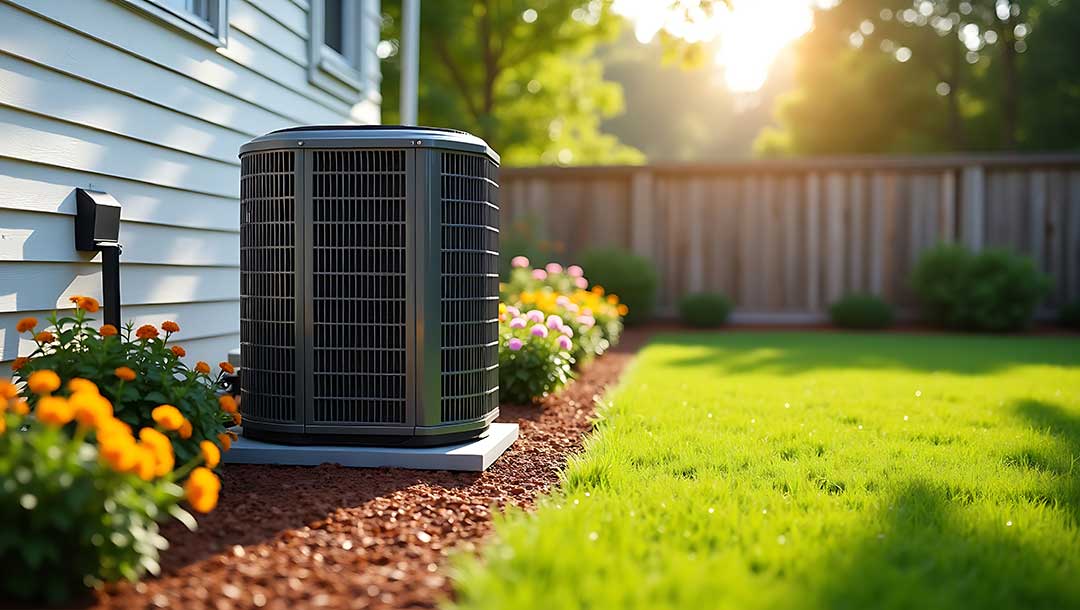
Can Your Yard Really Affect HVAC Performance?
Yes, the environment around your home plays a direct role in how well your heating and cooling system performs. Many residents overlook how landscaping choices—such as plant placement, shade, and airflow—can help (or hinder) an HVAC system’s efficiency, especially with the hot, humid summers and variable winters common in Columbia, SC.
How Does Shade from Trees and Shrubs Impact Your System?
Trees and large shrubs can dramatically lower the temperature around your home and its HVAC unit. By blocking direct sunlight, well-placed foliage can reduce the amount of work your AC must do, especially during July and August when afternoon temperatures and humidity rise quickly.
Strategically planted deciduous trees on the western and southern sides of your house can provide dense shade in summer and allow sunlight in during the winter, supporting both cooling and heating needs. For the outdoor part of an HVAC system, keeping it shaded—without blocking airflow—may lower its operating temperature and increase its lifespan.
A practical example in the city: Yard trees planted to the southwest of a single-story house can bring down attic and indoor temperatures by several degrees, which not only improves comfort but also may lower power bills.
What Kinds of Plants Work Best Near HVAC Equipment?
Gentle groundcovers, short grasses, and non-invasive shrubs are usually safest options within 3 to 5 feet of HVAC equipment. Overgrown bushes, thick vines, and anything that drops large amounts of debris (like pine needles or seed pods) can clog the unit’s intake, obstructing necessary airflow and straining the system.
Here are some locally informed considerations:
- Avoid dense hedges or fast-growing trees directly around the condenser unit.
- Select plants that require minimal shearing and shed little.
- Allow open space on all sides—most manufacturers suggest at least two to three feet of clearance for proper ventilation.
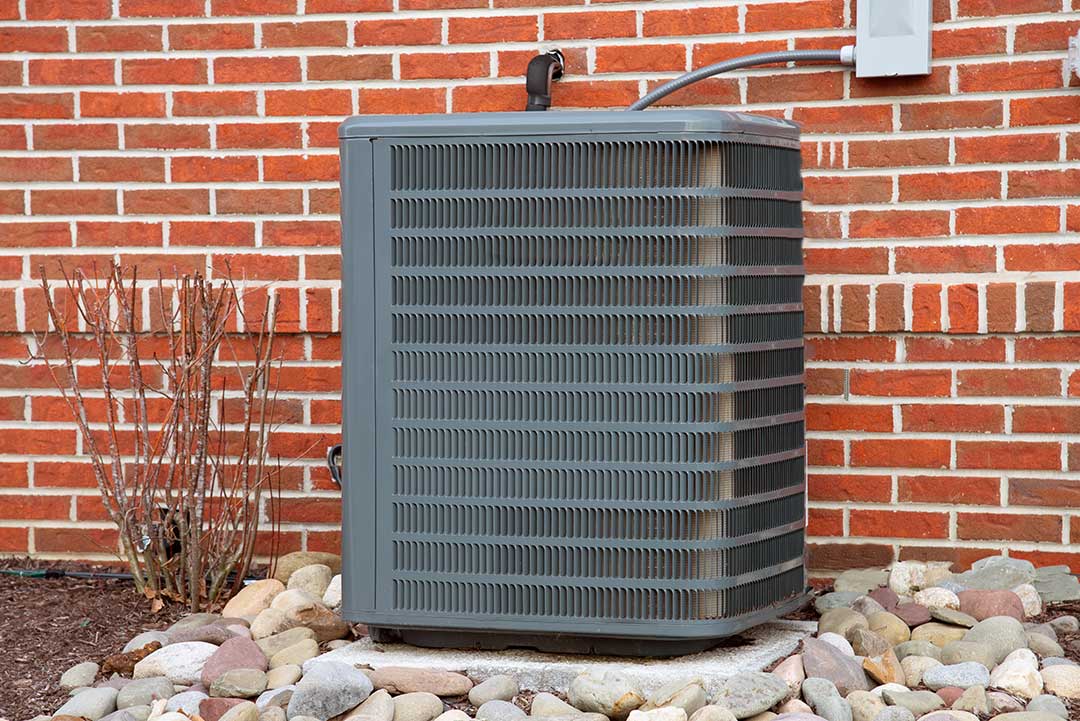
Many homeowners with shaded backyards find that mulch or gravel borders can further limit weed growth and keep equipment areas tidy, minimizing the risk of foliage interfering with system operation.
Should You Be Concerned About Leaves, Pollen, or Grass Clippings?
Debris is a common culprit behind restricted airflow and system wear. Fallen leaves, pine needles, grass clippings, and heavy pollen are all frequent concerns in local neighborhoods, particularly in late spring and throughout autumn.
Simple preventive measures:
- Rake or blow leaves away from outdoor units regularly, especially after storms or weekly mowing.
- Trim back overhanging branches that might drop seeds or other material.
- Consider using landscape fabric or a gravel pad beneath and around the condenser to discourage plant growth right up to the unit.
Neglecting to manage debris often leads to less efficient cooling and, in severe cases, avoidable breakdowns.
How Does Proper Airflow Impact HVAC Efficiency?
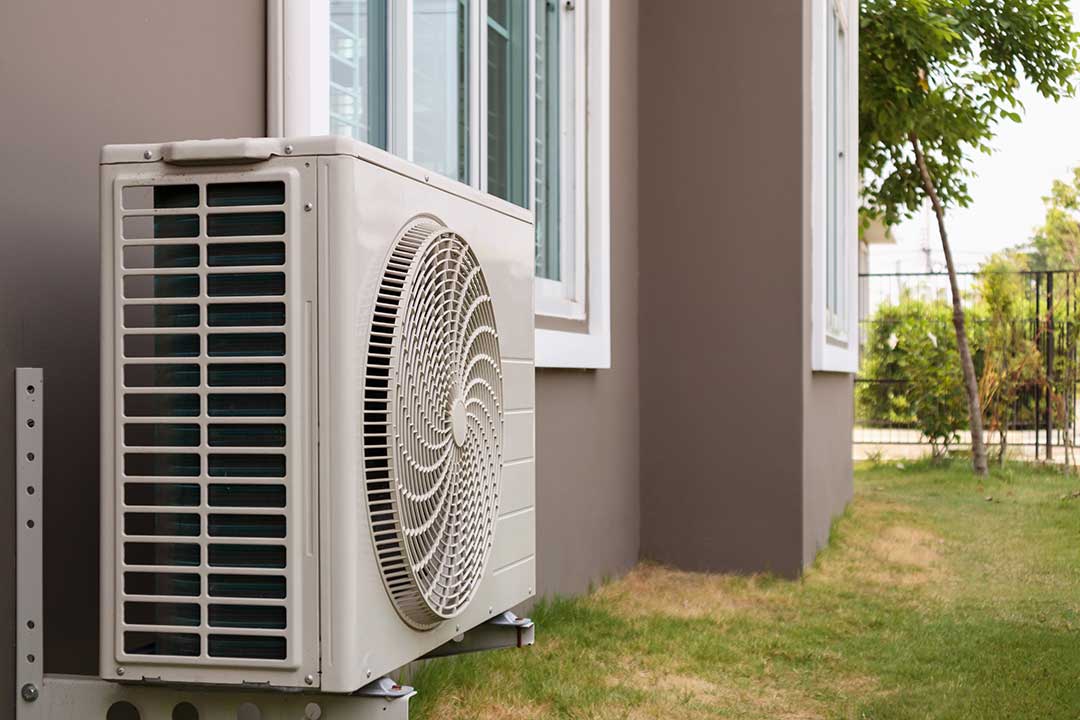
An HVAC system’s outside unit releases heat as part of normal operation. Anything that blocks the flow of air—like dense foliage, piles of leaves, or even fencing installed too close—forces the system to work harder and longer, which may show up as higher electric bills and increased wear.
In Columbia, where long cooling seasons mean systems run day after day, good airflow is especially critical. Recommendations for maximizing airflow include:
- Maintain at least two to three feet of open space around the unit.
- Avoid storing outdoor furniture, bikes, or trash bins nearby.
- Keep grass and mulch height low in the immediate area.
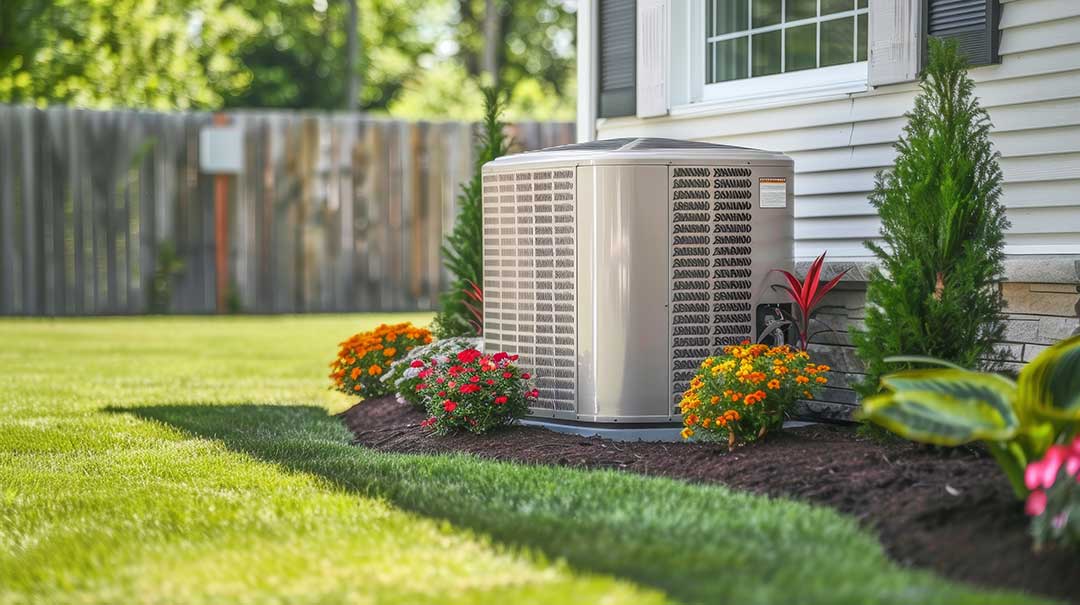
Regularly checking and maintaining this space can help the system breathe and function at peak efficiency.
Is Mulch a Good Idea Near HVAC Units?
Mulch can help minimize weeds and maintain a neat appearance around your condenser, but heavy piles or fine mulch types can sometimes get sucked into the equipment. For area households, using a thin layer of heavier, chunkier mulch—like pine nuggets rather than finely shredded bark—helps reduce mess and risk. Always keep mulch several inches below the bottom edge of the condenser and replenish only as needed to limit the buildup of organic material.
Which Landscaping Mistakes Should Be Avoided?
Several common errors can unintentionally put strain on HVAC systems:
- Planting large, thirsty trees too close to the foundation—roots may damage underground lines.
- Building privacy fences or garden walls tightly around the area, blocking airflow.
- Allowing vines or ivy to climb onto the condenser, which can coat coils and trap moisture.
- Using power blowers or mowers without checking for loose debris around the equipment first.
- Pouring gravel or mulch until it covers the base of the unit, restricting drainage.
Understanding these possible pitfalls is useful for anyone planning a yard update or routine maintenance near their HVAC setup.
What are the Benefits Beyond Just Energy Savings?
Landscaping that supports HVAC efficiency can also add beauty, support local wildlife, and create a more comfortable outdoor environment. During the height of summer, shaded patios and well-placed plantings can provide outdoor retreat spaces. In winter, windbreaks from evergreen shrubs can help minimize cold drafts around exterior doors and windows.
Mindful landscaping supports a healthier, more comfortable home—and can deliver savings and added value while benefiting from Columbia’s climate and native plant options.