Why Are Pets at Risk Around HVAC Equipment?
Pets are naturally curious and often explore areas of the home where HVAC equipment is installed. In Columbia, SC, where both air conditioning and heating are heavily used due to seasonal weather swings, the potential for accidental pet injury, overheating, or chemical exposure increases. Indoor and outdoor HVAC units can pose hazards, especially if animals come in direct contact with moving parts, electrical components, or refrigerants.
What Common Hazards Should Pet Owners Watch For?
Pet safety concerns around HVAC systems typically involve moving parts, electrical wires, refrigerant lines, sharp edges, hot surfaces, and restricted airflow. In local homes, these risks are especially relevant during the hottest months when systems run more frequently, and outdoor units may be easily accessible.
Some key dangers include:
- Chewing on exposed wires or lines, leading to electric shock or refrigerant exposure.
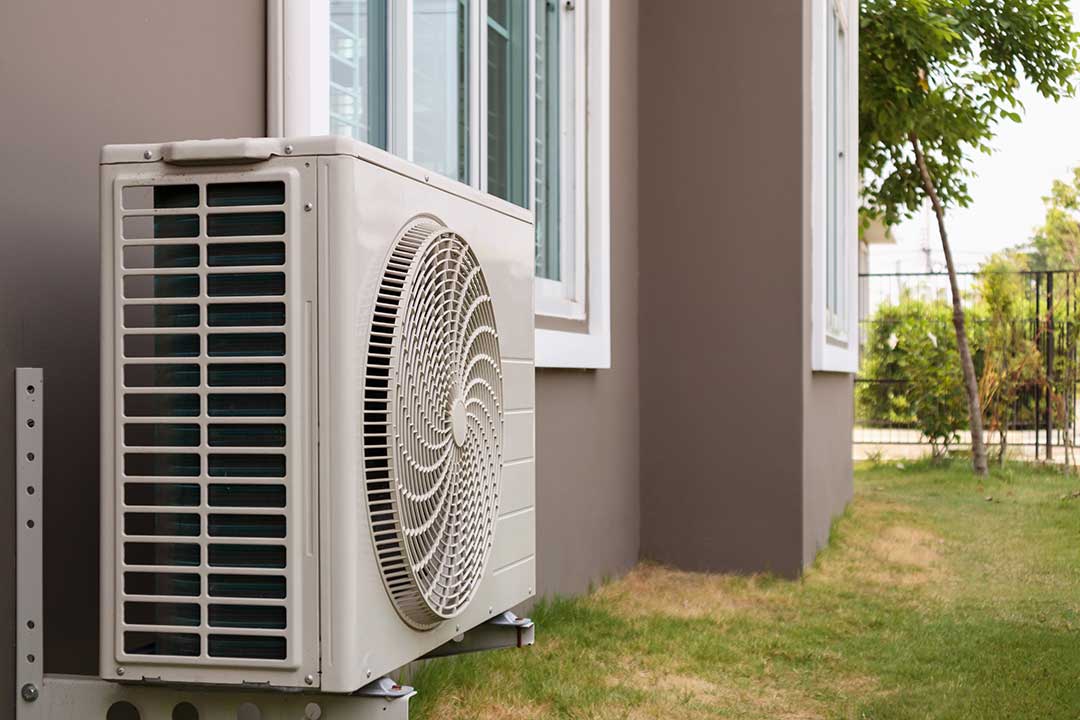
- Getting too close to outdoor condenser fans or sharp metal panels.
- Climbing or urinating on outdoor units, which can cause both injury to the pet and lasting damage to the system.
- Blocking or covering indoor vents, which can disrupt airflow and overheat both the equipment and the pet.
- Inhaling dust, mold, or allergens that build up in neglected ducts or filters.
How Can Residents Safeguard Outdoor HVAC Units from Pets?
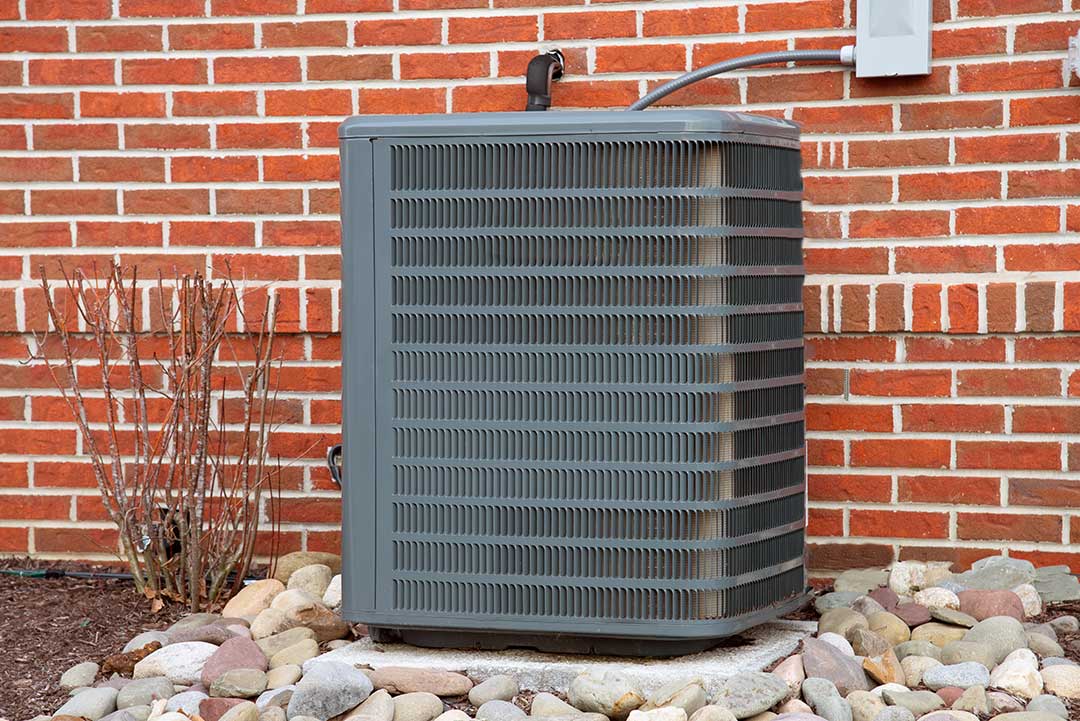
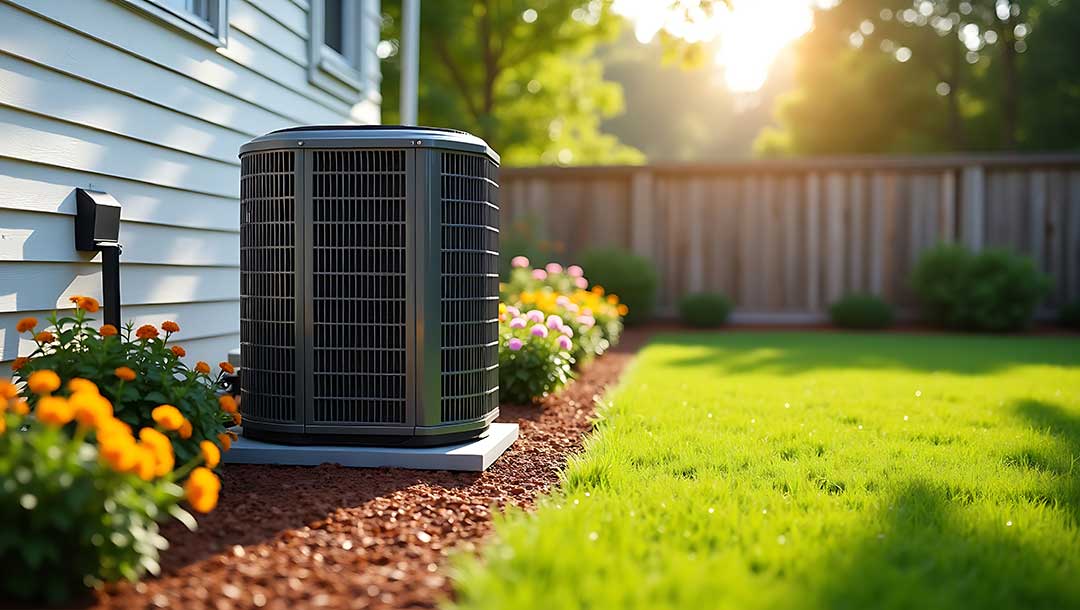
The simplest way to protect pets and HVAC units in Columbia yards is to keep outdoor units physically separated from animals. A short, sturdy fence or barrier around the condenser keeps dogs and cats from marking, climbing, or digging around the equipment. This not only prevents injury, but also extends the life of the system by keeping fur, debris, and waste away from sensitive components.
Make sure:
- The barrier allows for at least two feet of space on all sides for airflow and maintenance access.
- There are no gaps large enough for smaller pets to squeeze through.
- The fence is tall enough to deter jumping or climbing.
- No objects nearby make the fence easy to scale.
Bushes or shrubs can complement fencing but shouldn’t restrict airflow to the unit. Check the area regularly for signs of digging, nests, or damage.
Is It Safe for Pets to Be in Utility Closets or Attics with HVAC Equipment?
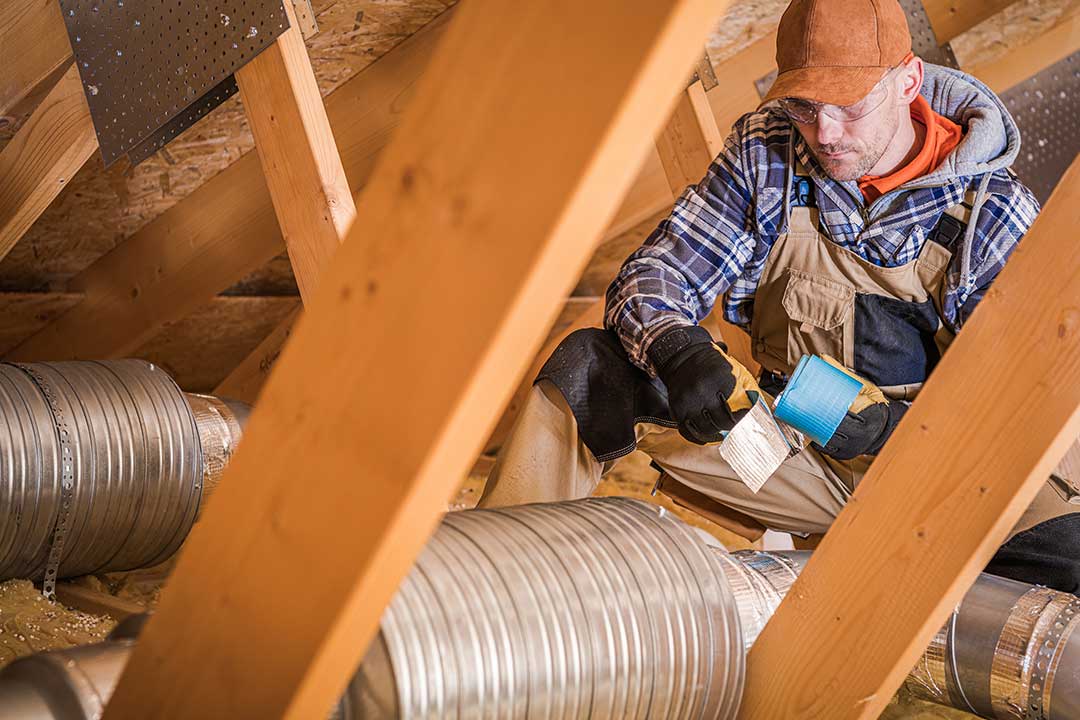
Allowing pets into rooms housing furnaces, indoor air handlers, or water heaters is not recommended. In many Columbia properties, these appliances are located in closets, basements, or attics that are not pet-proofed and may contain toxic materials or sharp components.
Best practice is to:
- Keep utility doors closed and latched.
- Ensure attic and basement access is secure, especially for cats that may seek out warm spots.
- Install door alarms or child-proof handles on utility spaces if pets are especially inquisitive.
For homes with limited space, consider a pet gate or movable barrier if a dedicated mechanical room isn’t available.
What Indoor Air Quality Concerns Affect Pets?
Indoor air quality directly influences pet health, especially for animals with respiratory sensitivity. In Columbia, where pollen and mold counts can spike seasonally, HVAC systems can circulate allergens throughout the home if filters and ducts are not maintained.
Residents should:
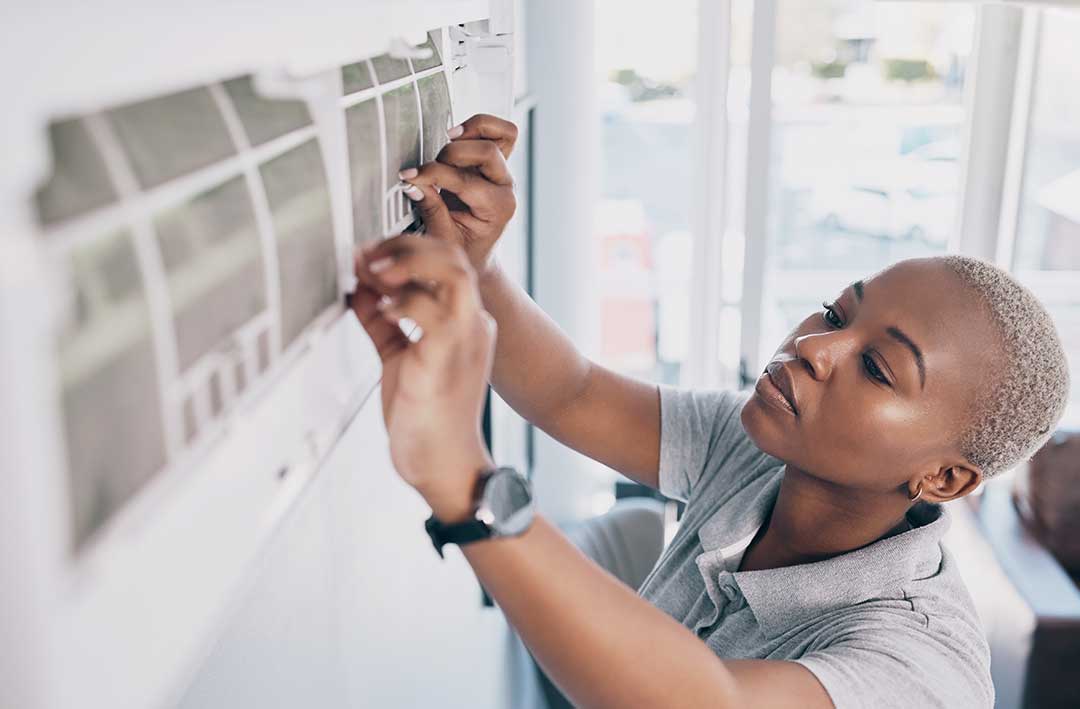
- Change filters according to manufacturer guidelines, or more frequently if pets shed heavily.
- Use filters with appropriate MERV ratings to capture dander and allergens without restricting airflow.
- Schedule regular inspection and cleaning of household ductwork, especially after severe pollen seasons.
- Avoid placing pet beds or litter boxes right below supply or return vents to limit the spread of fur and dust.
Keep an eye out for signs of respiratory distress in pets, such as sneezing, coughing, or excessive scratching, which may indicate the need for better air filtration.
Can Thermostat Settings Affect Pet Comfort and Safety?
Pets have different temperature tolerances than people, and extreme heat or cold can impact their well-being when HVAC systems are running. During hot Columbia summers, air conditioning is vital for preventing heat stress in pets left home alone. A practical approach is to:
- Set the thermostat to maintain a moderate, consistent temperature when pets are home, generally between 72°F and 78°F for most breeds.
- Ensure pets always have access to fresh water and cool resting areas.
- Avoid closing off too many interior doors, as this can restrict airflow and lead to hot spots.
- Monitor for any unusual panting, lethargy, or signs of overheating.
Smart thermostats may offer “away” settings, but avoid temperature extremes if pets remain inside.
How Can Pet Habits Impact HVAC Efficiency?
Pet hair, dander, and general pet activity can reduce HVAC efficiency and worsen wear on system parts. In Columbia, where indoor-outdoor pets are common and air conditioners often run for months at a time, buildup can quickly affect system performance. Simple steps include:
- Regular grooming and vacuuming to reduce fur and dander accumulation.
- Inspecting and clearing pet hair from vents and grilles.
- Checking outdoor units for pet-related debris during yard work or routine chores.
Consistent household cleaning complements filter changes and extends the life of the equipment.
Do Local Regulations or Safety Standards Apply?
While there are no Columbia, SC-specific ordinances directly regulating pet safety around private HVAC equipment, broader animal welfare and building codes indirectly apply. Homeowners are responsible for maintaining safe conditions for pets and following local guidelines concerning property modifications, fencing, and utility-room access.
Those renting homes or apartments should review lease agreements about pet access to mechanical areas, and ensure any changes, such as installing a pet barrier, do not violate property rules.