Why Do Air Conditioners Freeze in Columbia, SC?
Air conditioners can freeze up even in the middle of a hot Columbia, SC summer. This usually means a buildup of ice on the evaporator coil, which looks like frost or a solid sheet of ice. While it seems counterintuitive for ice to appear on an appliance designed to cool, this is a common issue in humid and warm climates like the Midlands. Freezing nearly always indicates a problem with airflow, refrigerant, or system maintenance.
Can Blocked or Weak Airflow Make My AC Freeze?
Yes. The most common cause of AC freeze-ups in Columbia is weak airflow across the indoor evaporator coil. Without enough air moving over the coil to carry off the cold, the temperature of the coil drops below freezing, and moisture turns to ice instead of draining away.
Factors that reduce airflow include:
- Clogged air filters, which get dirty faster in Columbia’s pollen-heavy spring and summer.
- Blocked vents or closed registers, a common result of seasonal furniture rearrangement.
- Excess dust in ductwork from local construction or heavy household use.
- Furniture, rugs, or drapes blocking supply or return vents.
Changing filters monthly during peak cooling season is a simple way local residents can prevent this problem.
Does Low Refrigerant Cause Freezing?
Low refrigerant is another leading cause of frozen coils. This does not happen because more cold is produced, but because the diminished refrigerant lowers coil pressure, dropping the temperature below freezing.
In Columbia, SC homes, refrigerant rarely “runs out” on its own. Loss is nearly always due to a leak, often from aging lines or vibration-related wear. Refrigerant issues usually show up as gradual cooling performance drop before freezing occurs. Common signs include:
- The system runs longer than usual for the same cooling.
- Warm air blows from vents after hours of operation.
- Ice is visible on exterior copper lines.
Leaking refrigerant is a concern for both system health and household safety, so leaks should be addressed by someone certified for handling refrigerants.
Can Outdoor Humidity Affect Freezing?
Outdoor humidity doesn’t directly cause freezing, but Columbia’s humid summers raise indoor moisture levels and can worsen the effects of weak airflow or poor drainage. When air conditioners remove humidity, the resulting condensation collects on the evaporator coil. If airflow is low or the system is dirty, this condensate can freeze.
Homes that see rapid temperature drops or use oversized systems may never run long enough to evaporate moisture, leaving residual dampness that freezes when night temperatures fall. This is especially true in older homes with less insulation or variable air sealing—both common in the area.
Do Thermostat Settings Play a Role?
Setting the thermostat too low in an effort to cool the house quickly can cause the indoor coil to drop below freezing. This is more likely in Columbia nights when outside temperatures dip, but the system keeps working overtime due to persistent warmth indoors.
Some residents mistakenly set thermostats much lower than needed as a quick fix for heat or humidity, putting unnecessary strain on the system. Modest adjustments (setting closer to 75–78°F instead of the lowest possible setting) often help avoid this problem.
How Does Poor Maintenance Lead to Freeze-Ups?
Routine maintenance is essential in the Midlands’ dusty, pollen-rich climate. Forgotten upkeep can allow ice to build up over time.
Typical maintenance-related reasons for freeze-up:
- Neglected filter changes
- Skipped coil cleaning (both interior and exterior units accumulate dust and yard debris)
- Drain line blockages, which are common during the spring through late summer
- Ignoring signs of trouble, such as reduced cooling or unusual system noise, until the system ices over
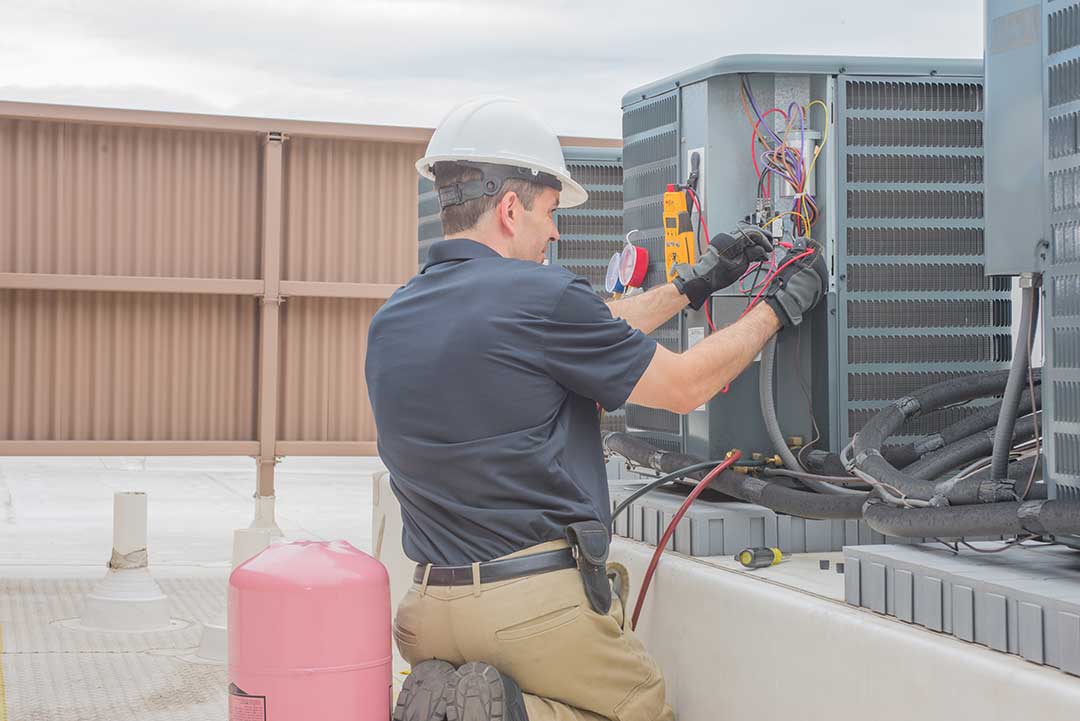
For Columbia households, annual cleaning and inspection—often done before the high summer—keeps ACs running safely and prevents nuisance ice build-up during those sticky hot months.
Are AC System Design or Age Factors?
The likelihood of freezing increases if the AC system is either too large or too old for the home. In Columbia, some homes have furnaces and air conditioners replaced at different times, leading to mismatched system sizes. Oversized units “short cycle,” or run for only brief intervals, failing to remove enough moisture and allowing condensation to freeze. Aging equipment may have trouble keeping up with humidity levels typical of the area. If a newer AC freezes up repeatedly despite good maintenance, it’s worth double-checking whether the system matches the home’s square footage and duct design.
What Should Residents Do When Ice Appears?
If ice is found on the AC, the first solution is to turn off the system to let it thaw. Leaving it running with ice present can seriously damage components. Steps that often help:
- Power off the system and let it thaw completely
- Replace or clean the air filter
- Check that all supply and return vents are open and unobstructed
- If the ice returns after restarting, deeper issues may require further troubleshooting from someone with HVAC qualifications, especially regarding refrigerant or electrical controls
Residents should avoid scraping or picking at the ice, as this can damage delicate system parts.
Can Freezing Damage the AC Long-Term?
Repeated freeze-ups can cause long-term damage, especially to the compressor and coil. Extended operation while frozen strains critical parts and may shorten system lifespan or result in expensive repairs.
Local households who find themselves addressing more than one freeze event in a single summer should investigate the root cause, as persistent freezing nearly always signals an underlying system problem.