Why Isn’t My Air Conditioner Cooling the House?
An air conditioner that runs but doesn’t cool effectively is a common problem during Columbia, SC’s hot and humid summer months. For many area households, the issue can range from something simple like a clogged filter to more complex system failures. Recognizing the likely causes can help residents address some problems quickly—or understand when more detailed troubleshooting is needed.
Could the Filter or Airflow Be the Problem?
Restricted airflow is one of the leading causes of poor cooling performance. A dirty or clogged filter makes it harder for air to pass through the system. When this happens, less cool air circulates, and your air conditioner may even freeze up. In neighborhoods throughout Columbia with lots of pollen, plant debris, or pets, filters often need changing more frequently than the manufacturer suggests.
Other common airflow blockages include:
- Blocked returns or vents, which can happen if furniture or rugs are moved over registers
- Dirty evaporator coils, which can’t absorb heat efficiently
Regularly checking and replacing the filter, as well as ensuring vents are open and unblocked, can resolve many basic cooling issues.
Is Your Thermostat Set Correctly?
Sometimes, the solution is as simple as a thermostat adjustment. If the thermostat is set to "fan" mode instead of "cool" or the temperature is set higher than you think, the system may circulate air that isn’t actively cooled. In some Columbia homes, direct sunlight or drafty spots can also cause thermostats to misread the indoor temperature.
Double-check that:
- The mode is set to "cool"
- The temperature is set lower than the current room temperature
- The thermostat is located away from heat sources and direct sun
Are Refrigerant Levels a Factor?
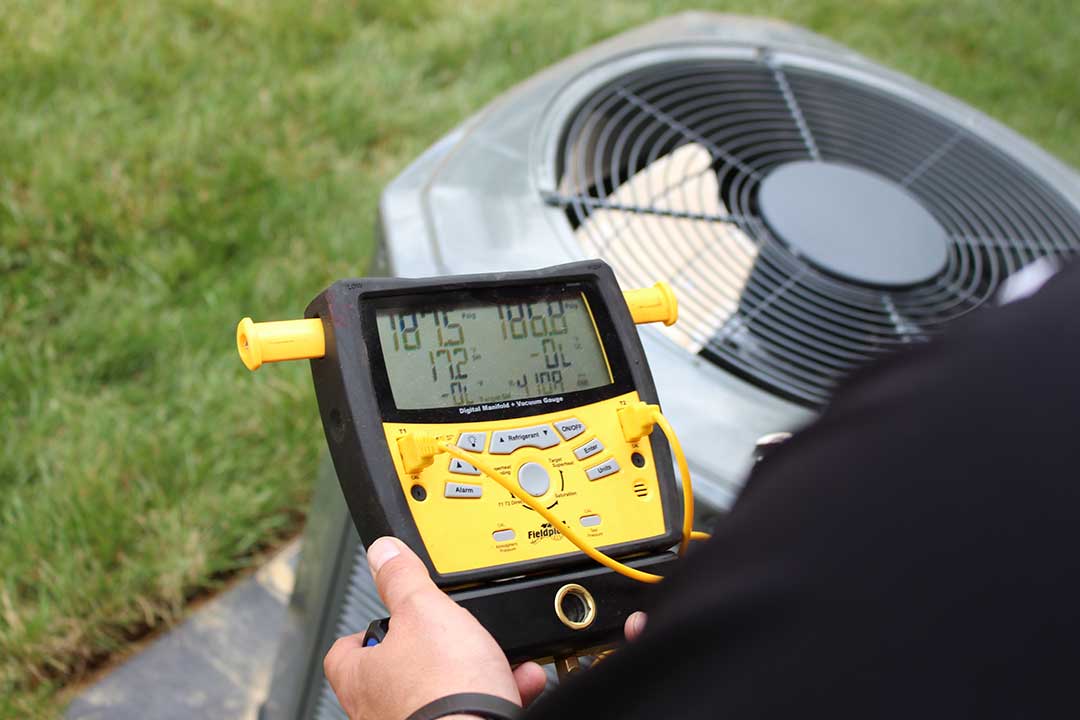
Low refrigerant—sometimes caused by a system leak—prevents your air conditioner from effectively removing heat and moisture from the air. This issue leads to longer run times, less cooling, and may eventually result in frost building up on the refrigerant lines or evaporator coil. For safety and environmental reasons, only certified personnel should handle refrigerant; however, residents noticing hissing sounds, visible leaks, or frequent cycling may be dealing with this problem.
In older Columbia homes, aging system components may be more susceptible to refrigerant loss, so this is a frequent concern for the community.
Could Dirty Outdoor Units or Obstructions Be Preventing Heat Release?
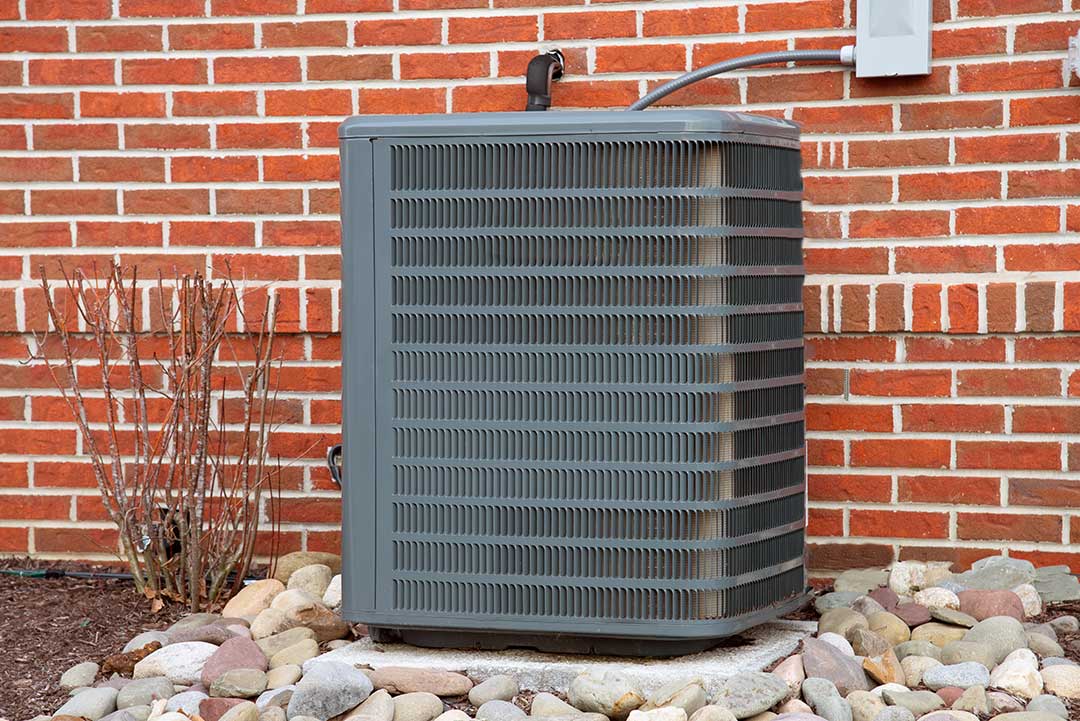
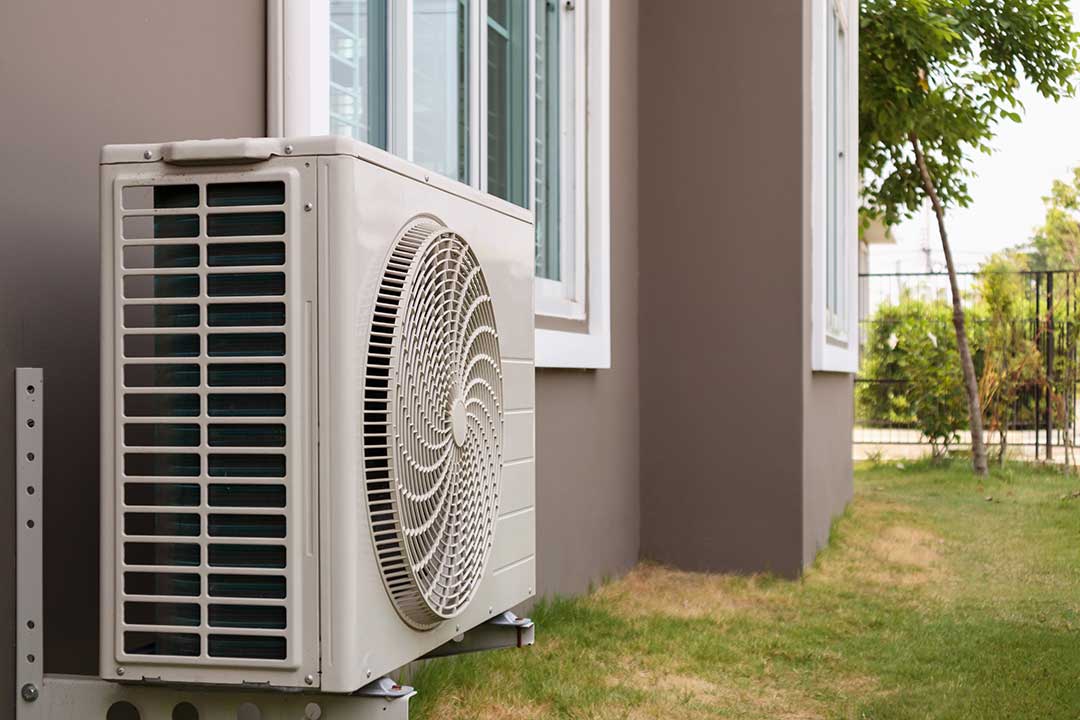
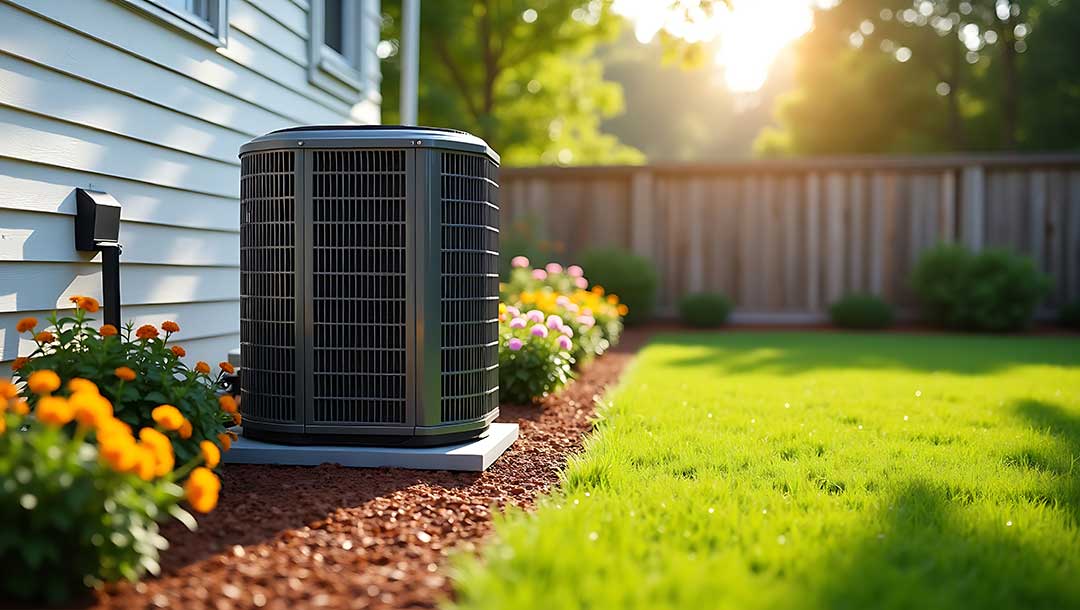
The outdoor condenser unit plays a crucial role in releasing the heat drawn from indoors. Over time, leaves, grass, mulch, or other yard debris can build up around the unit, while dust and pollen cover the fins, making it harder for the system to get rid of trapped heat. This is particularly relevant following Columbia’s stormy spring and muggy summers, when debris and fast-growing vegetation are common.
Regularly clear away any visible leaves, grass, or plant growth from around the outdoor unit and gently rinse the fins with a hose (with the system off) to maximize efficiency.
Is the Air Conditioner the Right Size for Your Home?
If your system seems to be working but never quite cools the house, an improperly sized unit may be to blame. An undersized air conditioner will struggle to maintain comfortable temperatures, especially during Columbia’s peak summer heat, while an oversized unit cycles off too quickly to remove humidity effectively. This leads to uneven cooling, clammy conditions, and higher utility bills.
Many homes built before major renovations or additions are particularly at risk for mismatched systems if their cooling needs have changed.
Could Duct Leaks or Insulation Issues Be Undermining Cooling?
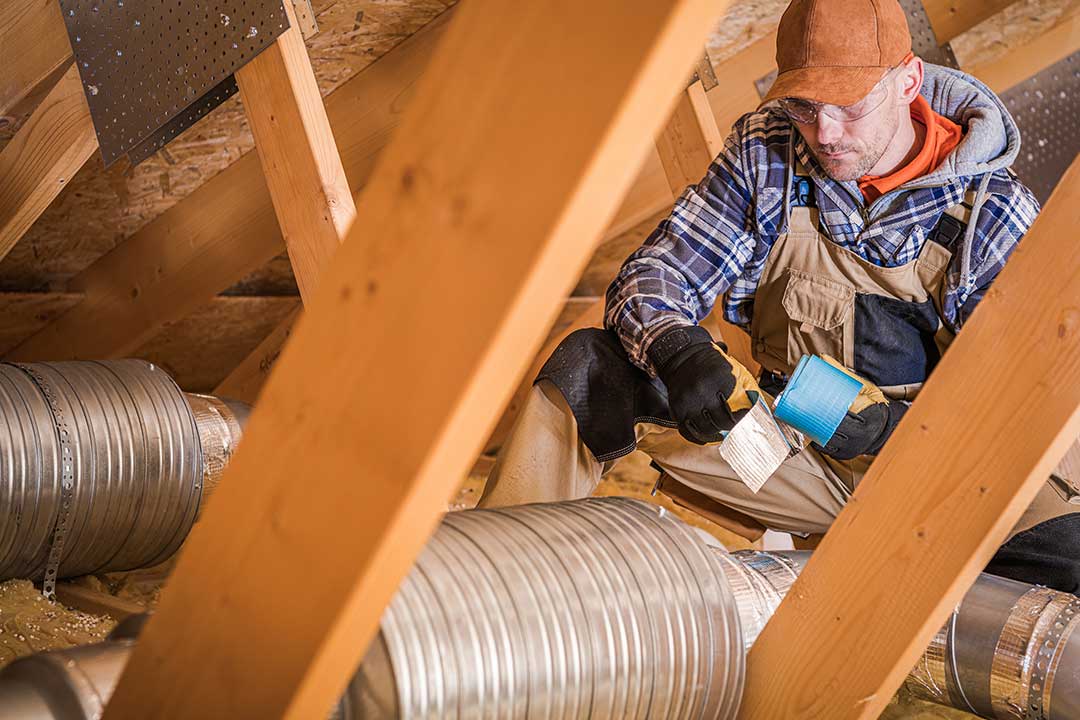
Even the best air conditioner will underperform if cooled air escapes before it reaches your living space. Leaks or gaps in the ductwork—especially in older or crawlspace homes—allow precious cooled air to seep out. Likewise, poorly insulated attics or unsealed duct runs mean more heat gain from Columbia’s intense sunshine and humidity.
Signs of duct or insulation issues include:
- Noticeably warmer rooms farthest from the air handler
- Little or no airflow from certain vents
- High energy bills with only moderate improvement in comfort
Periodic inspection of the ductwork and attic insulation is recommended, especially in longstanding Columbia properties.
Are Electrical or Mechanical Failures Possible?
A malfunctioning component such as a capacitor, relay, compressor, or blower motor can lead to reduced or no cooling, even if the system powers on. Symptoms often include strange noises, fan blades spinning slowly or not at all, or the system abruptly shutting off. Electrical surges from area thunderstorms can also compromise sensitive HVAC controls in this region. Unless you have training, leave electrical and complex mechanical checks for qualified technicians, as troubleshooting inside control panels or sealed system components can be hazardous.
Does Humidity or Weather Play a Role?
Columbia’s summer humidity adds to the cooling load your system must manage. High moisture levels make indoor air feel warmer and can reduce how efficiently your air conditioner operates. When rainfall is frequent, outside units can be affected both by moisture and fast-growing foliage. Large household gatherings or indoor activities like cooking or showering all raise humidity, making the house harder to cool. Proper humidity management—such as adequate ventilation, limiting indoor heat-producing activities during peak afternoon hours, and using bathroom exhaust fans—can help lighten the load on your air conditioner.
What Can Residents Do Before Seeking Further Help?
Columbia homeowners can take several practical steps before assuming a major repair is required:
- Replace or clean air filters every 1-2 months during peak cooling season
- Inspect and clear airflow around indoor and outdoor units
- Confirm thermostat settings and battery power
- Visually check for major blockages, duct issues, or disconnected vents
- Notice any unusual sounds, odors, or system behaviors
If basic troubleshooting does not solve the issue or there are signs of electrical, refrigerant, or mechanical hazards, further investigation by qualified personnel is recommended.