What Are Some Simple Habits That Cut Heating Bills in Columbia, SC?
Simple daily behaviors can make a noticeable difference in heating expenses, especially during the chillier winter months in Columbia, SC. Making modest changes to household routines often reduces costs without sacrifice in comfort.
Residents can lower bills by:
- Setting thermostats a few degrees lower, particularly overnight or when away from home. In the milder winters common to the area, many households find 68°F for occupied times and as low as 60°F when asleep or out sufficient for both comfort and savings.
- Layering clothing indoors instead of raising the heat, especially on mild winter days common to the region.
- Closing curtains or blinds at night to add insulation. During sunny winter days, opening south- and west-facing window coverings lets in natural warmth and reduces the need for heating.
- Rearranging furniture so vents, baseboard heaters, or returns are not blocked; this allows warm air to circulate efficiently.
How Does Regular Maintenance Impact Energy Use?
Maintaining equipment and home infrastructure often prevents wasteful heating and helps systems work more efficiently in local conditions. Even basic maintenance tasks can keep costs in check.
Key examples include:
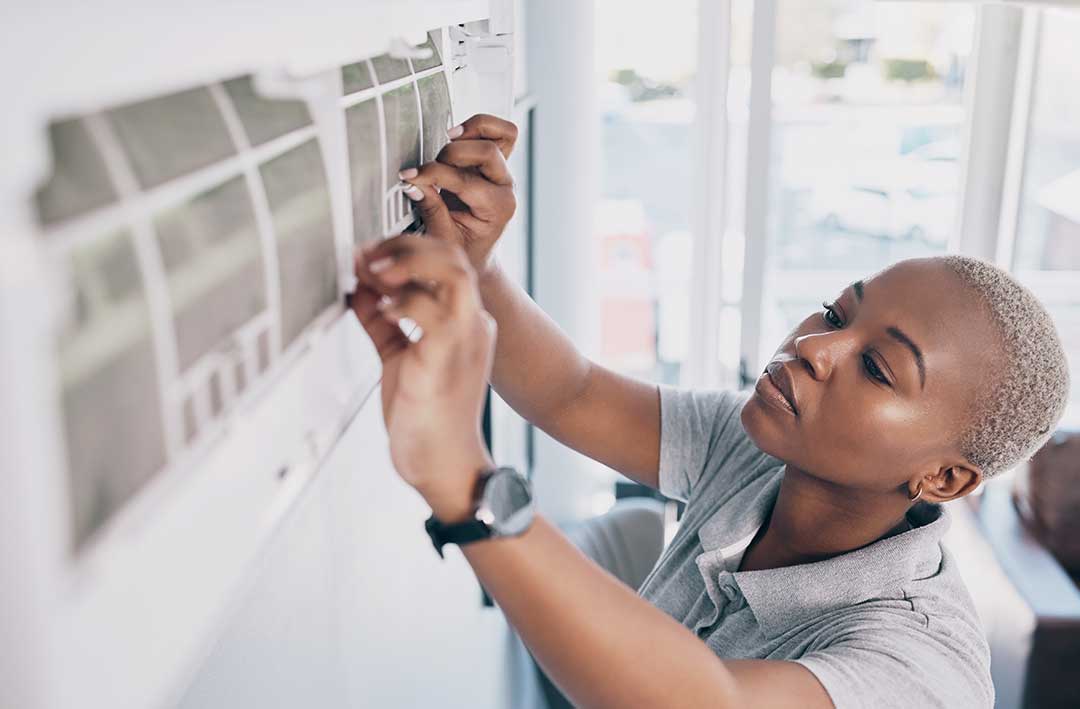
- Changing or cleaning HVAC filters every month during the heating season. Dust and pollen levels can rise quickly in the Southeast, and clogged filters make systems work harder.
- Checking for damaged caulking or worn weather stripping around windows and doors. In older neighborhoods or homes with less insulation, addressing these gaps is a quick, do-it-yourself project that stops cold drafts.
- Flushing sediment from hot water tanks annually if using a tank-style water heater, as mineral buildup can make the heater use more energy.
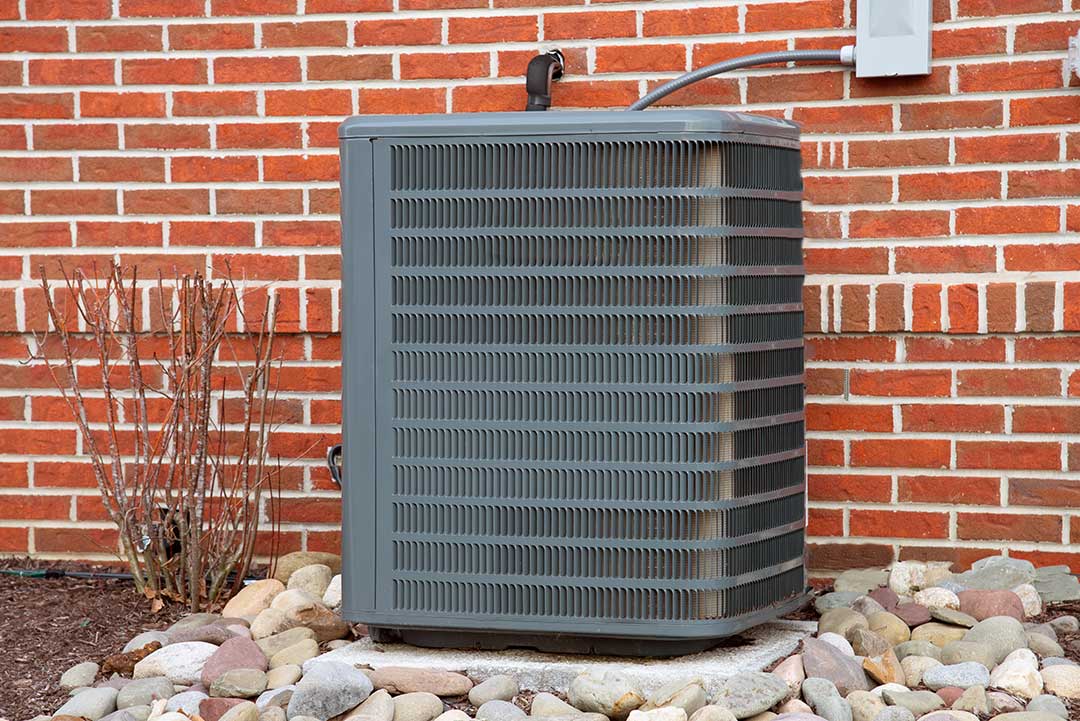
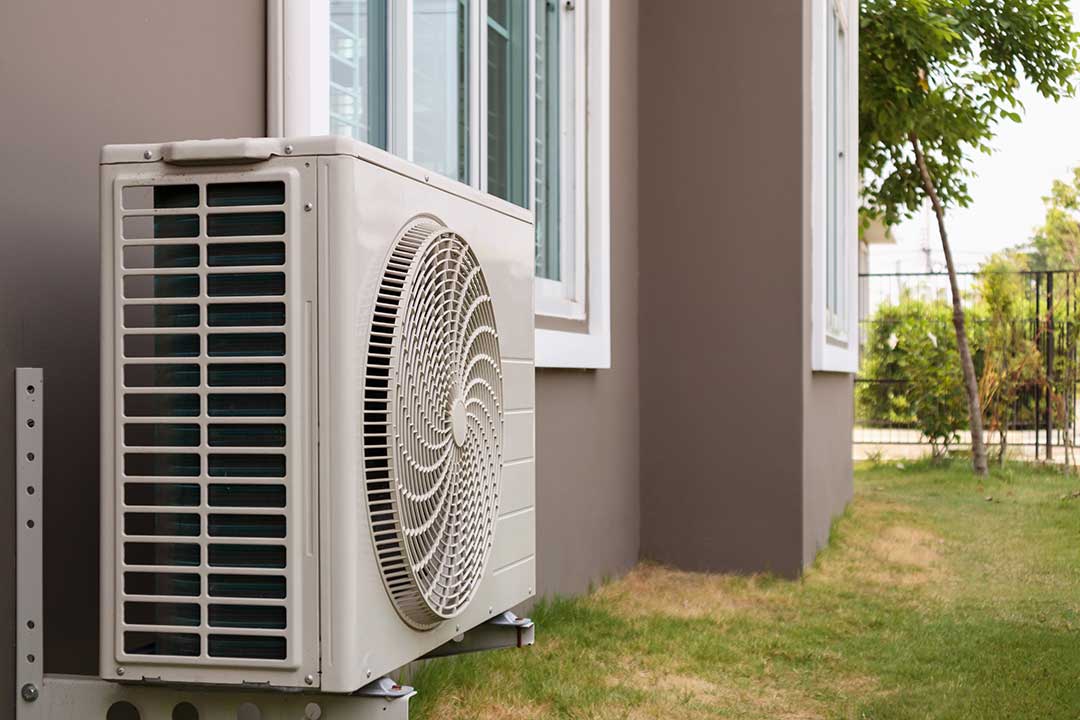
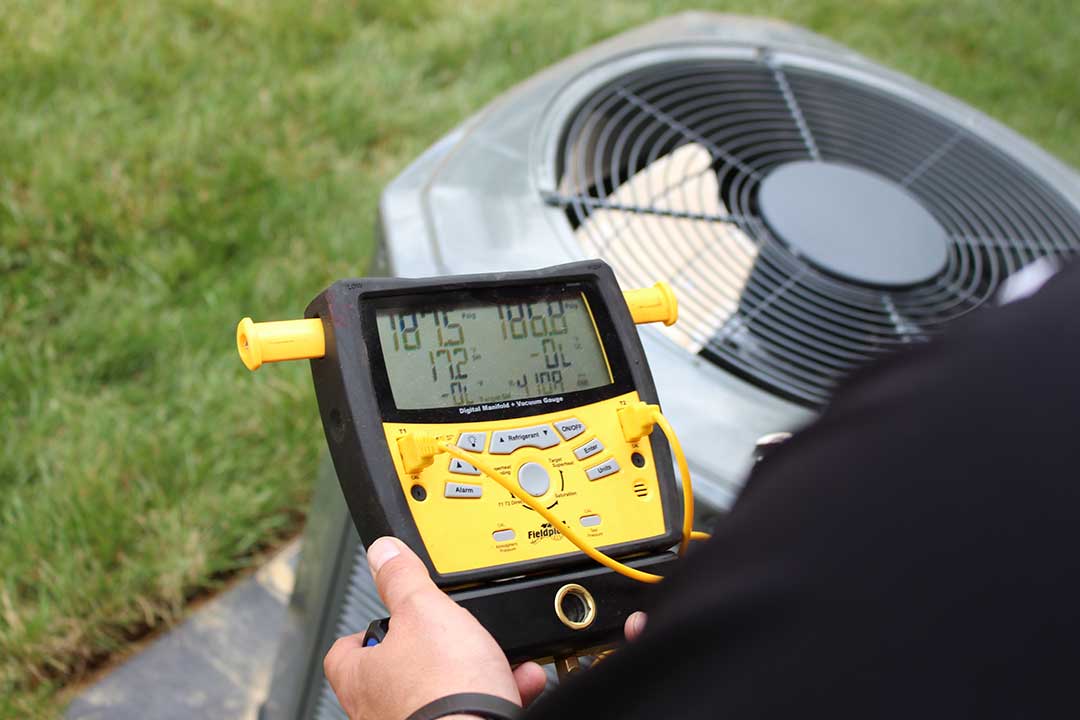
- Planning for annual professional inspection of gas or central heating systems—this often uncovers small issues before they become costly.
Can Smart Thermostats and Timers Really Save Money?
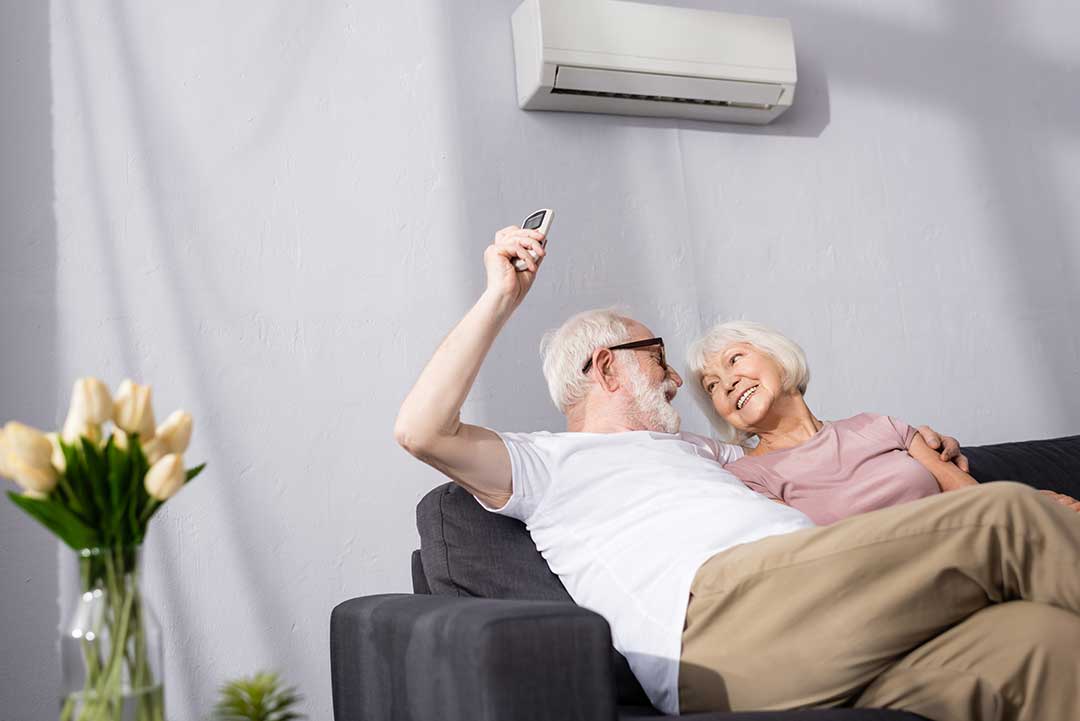
Using programmable thermostats or timers makes it easier to avoid wasting energy, especially for residents with variable schedules. In climates with cold nights but mild, sunny afternoons, such as Columbia, this can lead to noticeable reductions in heating needs.
How these devices help:
- Automatically lowering the temperature when household members leave for work, school, or other daytime activities means the system runs less.
- Warming the house just before waking up or returning home ensures comfort without running the heat all day.
- Some models adjust settings based on local weather, further customizing energy use to Columbia’s mix of cold snaps and relatively brief winter cold.
Are Leaky Ducts and Attics a Hidden Source of Higher Bills?
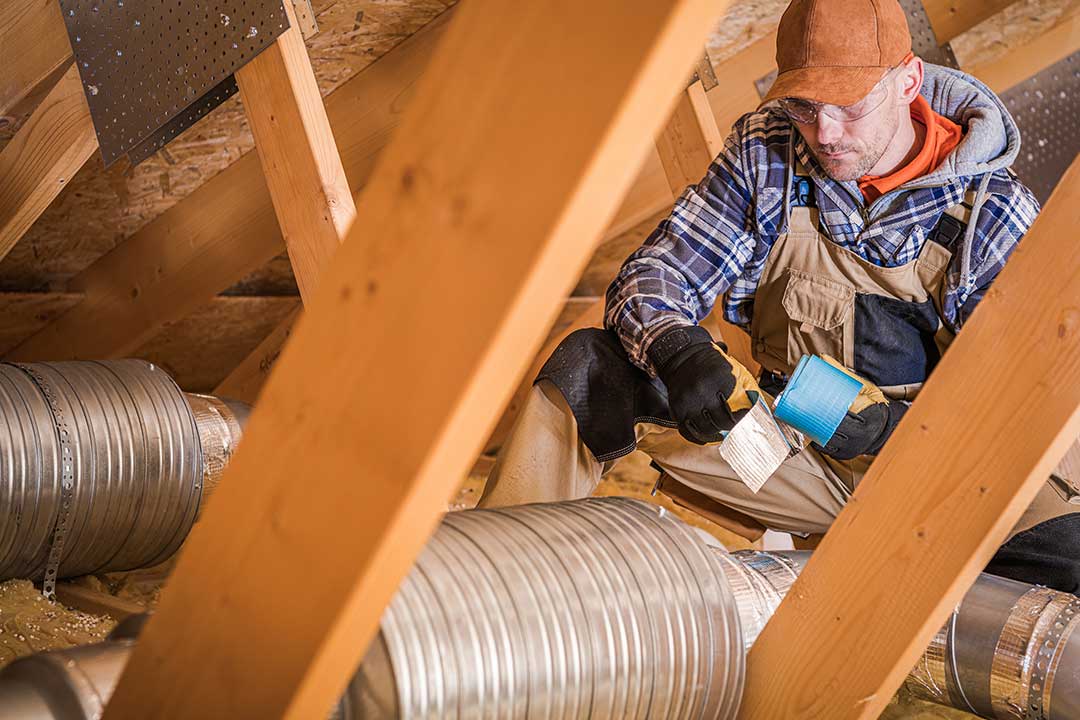
Many local homes lose undue amounts of heated air to unconditioned spaces due to leaky ducts or poorly insulated attics. This problem is common in houses built before modern energy codes.
Identifying and fixing these issues can lower bills by:
- Sealing joints, seams, and connections in ductwork with mastic sealant or metal tape, especially in crawlspaces and attics.
- Adding insulation to attic floors or attic-access hatches, focusing on areas where warm air might escape.
- Ensuring attic vents are clear but sealed from conditioned living spaces.
Sealing and insulating tend to have lasting impact and are often suitable for confident DIYers. In houses with unusually high bills, a thermal camera or basic temperature check can quickly confirm if these steps are needed.
How Do Local Weather Patterns Influence Heating Strategies?
Columbia’s winter climate features cool nights and occasional cold snaps, interspersed with milder afternoons. The unique mix of humidity, rain, and fluctuating temperatures creates specific opportunities for energy savings.
Local residents should consider:
- Taking advantage of afternoon sun to passively heat main living spaces whenever possible.
- Paying attention to humidity indoors; heated air can become dry, but adding moisture with a humidifier helps residents feel warmer at lower temperatures.
- Staying alert for severe weather warnings. When overnight freezes are expected, protecting pipes and sealing gaps ensures both energy savings and reduction of repair risk.

What Home Improvements Offer the Best Long-Term Value?
Beyond habits and quick fixes, certain home improvements can permanently decrease heating expenses. Most effective upgrades include:
- Adding or upgrading insulation in attics, crawl spaces, or around water heaters.
- Replacing single-pane windows with energy-efficient glazing if feasible, particularly in older homes.
- Weather-sealing exterior doors and installing door sweeps to prevent air leaks.
- Using ceiling fans on low in reverse mode; this circulates warm air downward during heating months, which is effective in rooms with high ceilings common in some local architecture.
While these investments carry up-front costs, they pay for themselves over time with lower bills and greater comfort.
Do Space Heaters Help, or Hurt, Energy Savings?
Space heaters can provide quick warmth but aren’t always cost-effective for large areas or extended use. Practical advice for Columbia residents:
- Use space heaters only in small, occupied rooms, and turn them off when leaving the room.
- Avoid using multiple space heaters to compensate for poor insulation or a broken central system—this usually increases costs.
- Follow all safety instructions and keep heaters away from combustibles, as local fire departments respond to winter heating accidents each year.
What Misconceptions Lead to Higher Heating Bills?
Some common misunderstandings persist in the community and can unintentionally raise energy use. Key misconceptions include:
- Believing that setting the thermostat higher will heat a space more quickly—most systems deliver heat at a constant rate, so overshooting the temperature only wastes energy.
- Thinking that closing vents to unused rooms always saves money—in homes with ducted heating, this can disrupt airflow and increase pressure in the system.
- Assuming heating bills can’t be controlled in rented properties; renters can often benefit moderately from weather-sealing, programmable thermostats (with permission), and behavioral changes.
By staying informed and tailoring approaches to the local context, Columbia households can often lower their heating bills while keeping indoor spaces comfortable during winter.